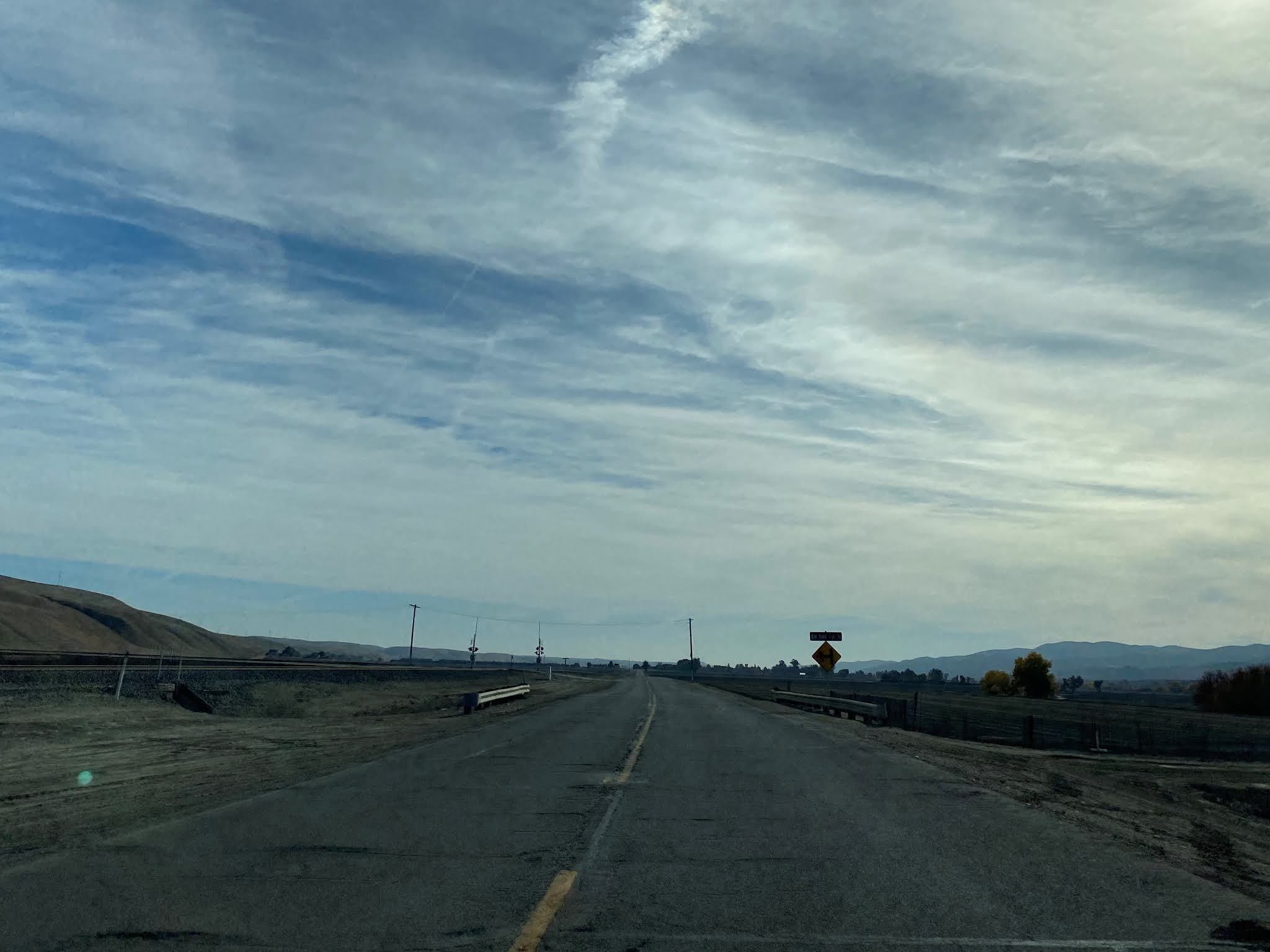
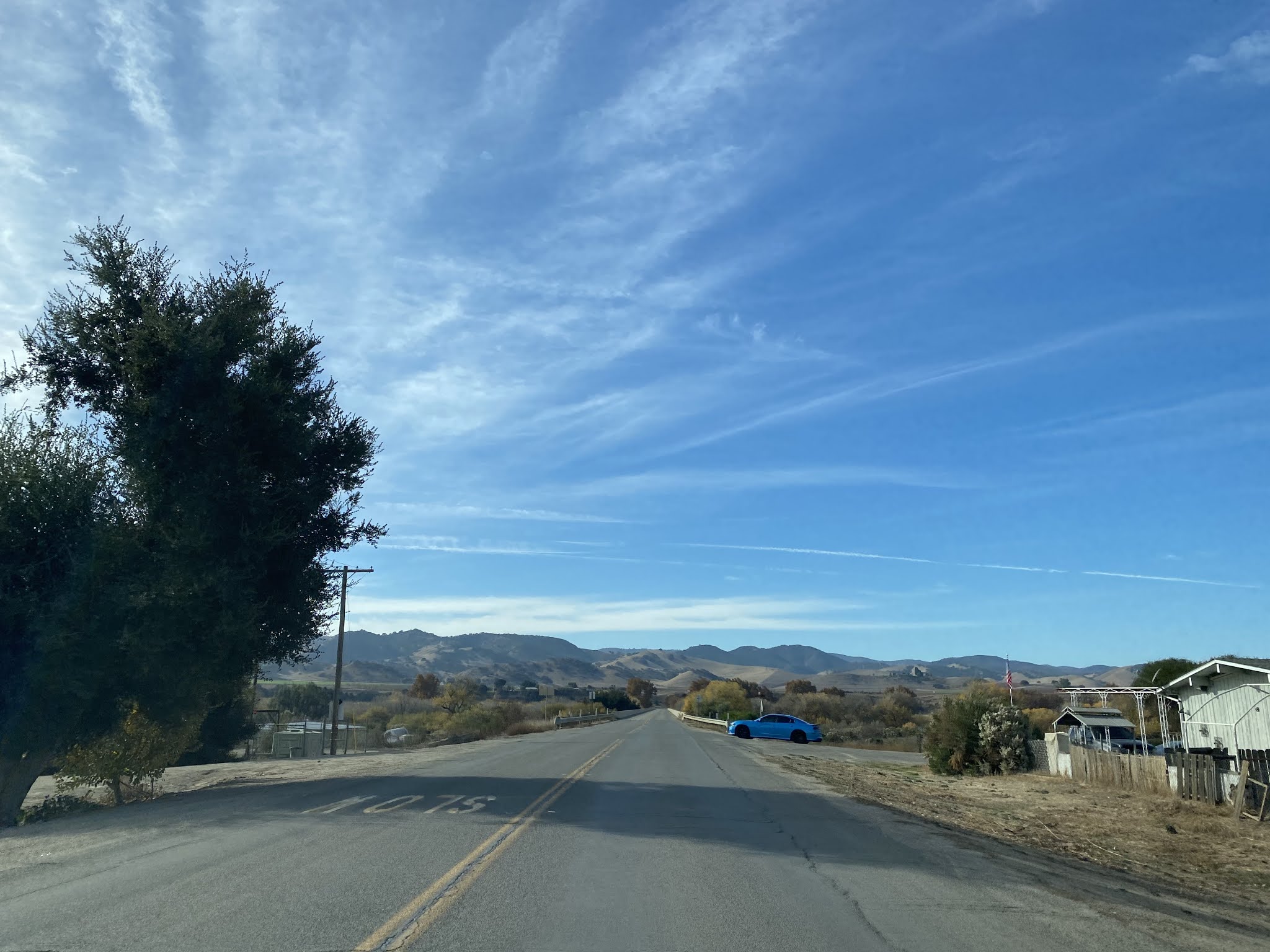
Former US Route 101 from San Lucas to San Ardo

 
San Lucas and San Ardo both are located in Salians Valley of southern Monterey County along the eastern bank of the Salinas River.  Former US Route 101 before the present freeway was constructed was carried via Cattleman Road.  


Part 1; the history of US Route 101 in San Lucas and San Ardo

Both San Lucas and San Ardo were plotted by the Southern Pacific Railroad in 1886 as siding facilities.  San Ardo was originally known as San Bernardo but the community took it's present name upon receiving Post Office Service in 1887.  Conversely San Lucas took it's name from the Mexico Rancho San Lucas.  Both San Lucas and San Ardo can be seen on the 1890 George F. Cram Railroad Map of California.  

The era of State Highway Maintenance through San Lucas and San Ardo would ultimately begin with the 1909 First State Highway Bond Act which was approved by voters in 1910.  One of the highways approved through the 1909 First State Highway Bond Act was a 481.8 mile highway originating at the City Limits of San Francisco which terminated in San Diego.  This highway would ultimately come to be known in time as Legislative Route Number 2 ("LRN 2").

San Lucas and San Ardo was ultimately part of the American El Camino Real which began being signed as an Auto Trail starting in 1906.  Unlike the Spanish El Camino Real which was aligned west of the Salinas River to stay on path to Mission San Antonio de Padua and Mission Nuestra Senora de la Soledad the path of LRN 2 was aligned mostly through the center of Salinas Valley.  Early LRN 2 and the American El Camino Real can be seen on what is now Cattleman Road from the outskirts of King City southward to San Ardo on the 1917 California State Automobile Association Map.  Notably LRN 2 is shown with a planned rerouting east of the Southern Pacific Railroad which never was constructed. 


LRN 2 through San Lucas-San Ardo is shown on the 1920 Clason Highway Map of California as part of the American El Camino Real and the Pacific Highway.  The Pacific Highway was plotted out as an Auto Trail association in 1913.  

The initial draft of the US Route System was approved by the Secretary of Agriculture during November of 1925.  The US Route System with in California was approved by California Highway Commission with no changes recommended by January 1926.  The initial alignment of US Route 101 ("US 101") was planned to follow LRN 2 from San Francisco to San Diego.  US 101 is shown on a map published in the 1926 California Highways & Public Works following LRN 2 south from San Francisco towards San Diego.


During November of 1926 the US Route System was approved by the AASHO.  US 101 can be seen aligned through San Lucas and San Ardo on the 1927 National Map Company Sectional Map

Originally US 101/LRN 2 headed southbound passed through San Ardo via Railroad Street and Jolon Street.  US 101/LRN 2 followed Jolon Street via a bridge over the Salinas River.  US 101/LRN 2 was subsequently realigned in 1929 when the present Cattleman Road Bridge was constructed.  The December 1929 California Highways & Public Works notes the alignment shift of US 101/LRN 2 in San Ardo due to the construction of the Cattleman Road Bridge.   


The original bridge over the Salinas River is cited as being constructed in 1907 and being only 15 feet wide in the July/August 1929 California Highways & Public Works.  


US 101/LRN 2 can be seen in detail through San Lucas and San Ardo on the 1935 California Division of Highways Map of Monterey County

The May/June 1965 California Highways & Public Works discusses US 101 being upgraded to a freeway from San Ardo south to Bradley.  The San Lucas-San Ardo segment of US 101 is stated to be in the design phase for a freeway upgrade. 


Subsequently the planned San Lucas-San Ardo freeway upgrade of US 101 appears on the 1966 Division of Highways State Map.  

US 101 was upgraded to a freeway between San Lucas-San Ardo during the early 1970s and first appears completed on the 1975 Caltrans State Map


Part 2; a drive on former US Route 101 on Cattleman Road from San Lucas to San Ardo

Our approach to former US 101/Cattleman Road begins from California State Route 198 westbound entering San Lucas at the Union Pacific Railroad Subway.  

CA 198 west intersects Cattleman Road at the southern outskirts of San Lucas.  

Cattleman Road follows as a western frontage of the Union Pacific Railroad and Gabilan Range from San Lucas to San Ardo.  


Upon entering San Ardo the alignment of Cattleman Road swings west towards the Salinas River. 

Cattleman Road crosses the Salinas River via the 1929 Cattleman Road Bridge and meets the current US 101 freeway.  The Cattleman Road Bridge is Warren Deck Truss design which is 1,654 feet in length.  


Comments

Popular posts from this blog

Crescent City Connection (New Orleans, LA)

The Crescent City Connection is a massive dual-span steel truss bridge that spans the lower Mississippi River at downtown New Orleans, about 95 river miles upstream from the mouth of the great river at the Head of Passes Light. If counted as a single bi-directional highway bridge, the parallel spans combine to form the single busiest bridge on the Mississippi River and its importance as a linchpin in the region’s transportation network cannot be overstated. While there have been various schemes over the years to construct bridges downriver from Algiers Point, this bridge has been the southernmost bridge on the Mississippi River since its initial construction in the 1950s. The years immediately following the end of World War II were a transformational period in the history of New Orleans. Already one of the great economic and cultural centers of the American Deep South, it was recognized at this time that major changes and improvements to the city’s transportation infrastructure would b...

Old US Route 99 through Tipton, Tulare, and Tagus Ranch

This summer I had a look into the alignment history of US Route 99 through the Tulare County communities of Tipton, Tulare, and Tagus Ranch.  While this slab below might seem like much it is one of the few remaining reminders of how US Route 99 was during the 1920s in Tulare County. This blog is part of the larger Gribblenation US Route 99 Page.  For more information pertaining to the other various segments of US Route 99 and it's three-digit child routes check out the link the below. Gribblenation US Route 99 Page Part 1; the history of US Route 99 in Tipton, Tulare, and Tagus Ranch Tipton and Tulare were both founded in 1872 as sidings of the Southern Pacific Railroad.  The Southern Pacific Railroad laid the groundwork for development of southern San Joaquin Valley.  Previous to the Southern Pacific Railroad travel via wagon or foot in Central California tended to avoid San Joaquin Valley in favor of the Stockton-Los Angeles Road.  The Stockton Los Ange...

Former US Route 101 and California State Route 41 through Paso Robles

Paso Robles is a city located on the Salinas River of San Luis Obispo County, California.  As originally configured the surface alignments of US Route 101 and California State Route 41 converged in downtown Paso Robles.  US Route 101 originally was aligned through Paso Robles via Spring Street.  California State Route 41 entered the City of Paso Robles via Union Road and 13th Street where it intersected US Route 101 at Spring Street.  US Route 101 and California State Route 41 departed Paso Robles southbound via a multiplex which split near Templeton.   Pictured above is the cover of the September/October 1957 California Highways & Public Works which features construction of the Paso Robles Bypass.  Pictured below is the 1935 Division of Highways Map of San Luis Obispo County which depicts US Route 101 and California State Route 41 intersecting in downtown Paso Robles.   Part 1; the history of US Route 101 and California State Route 41 i...