Former Florida State Road 758 on Siesta Key

As of September 2020 Florida State Road 758 west of US Route 41 on Siesta Key has been relinquished to Sarasota County.  I happened to be staying on Siesta Key during June of 2021 and thought it would be an opportune time to see if any signage changes to Florida State Road 758 had occurred (spoiler; there hasn't been any).  As an active highway Florida State Road 758 begins at US Route 41 in Sarasota and extends 5.432 miles east  to Interstate 75.  


Part 1; the history of Florida State Road 758 on Siesta Key

Prior to being truncated to US Route 41 the alignment of Florida State Route 758 ("FL 758") began at the western terminus of FL 72 on Siesta Key.  FL 758 followed Midnight Pass Road northward to High Avenue.  FL 758 followed High Avenue north to Siesta Drive in the fringe City Limits of Sarasota and began an eastward trek towards US Route 41.  FL 758 followed Siesta Drive over Bay Island and the Sarasota Bay Bridge to Osprey Avenue.  From Osprey Avenue FL 758 followed Bay Road to a junction with US Route 41.  

It is unclear when FL 758 on Siesta Key was incorporated into the State Road System.  FL 789 can be seen originating from the southern tip of Siesta Key at Midnight Pass and ending at US Route 41/FL 72 on the 1956 Shell Highway Map of Florida  It is likely the road network of Siesta Key was added to the State Road System due to the expensive swing bridge structures that existed there at the time.  USGS maps show a change in designation from FL 789 to FL 758 occurring at some point between 1992 and 2000. 

In 2018 Sarasota County accepted a $40,000,000 dollar road transfer offer with the Florida Department of Transportation.  This transfer offer included relinquishing all of FL 758 west of US Route 41 sans the Sarasota Bay Bridge to Sarasota County.  The transfer offer between Sarasota County and the Florida Department of Transportation was finalized during September of 2020.  Interestingly all FL 758 signage remains active in-field as of June 2021.  


Part 2; a drive on former Florida State Road 758 on Siesta Key

FL 758 began from the western terminus of FL 72 which has also been truncated to US Route 41 on Stickney Point Road.  West of US Route 41 Stickney Point Road is stilled signed as FL 72 onto Siesta Key.  Stickney Point Road crosses the Siesta Key Bridge and terminates at the Midnight Pass Road on Siesta Key.  The Siesta Key Bridge was constructed in 1968 as a replacement for an earlier bridge and features a dual bascule draw span design.  The Siesta Key Bridge is 567.6 feet in length and is still maintained by the Florida Department of Transportation.


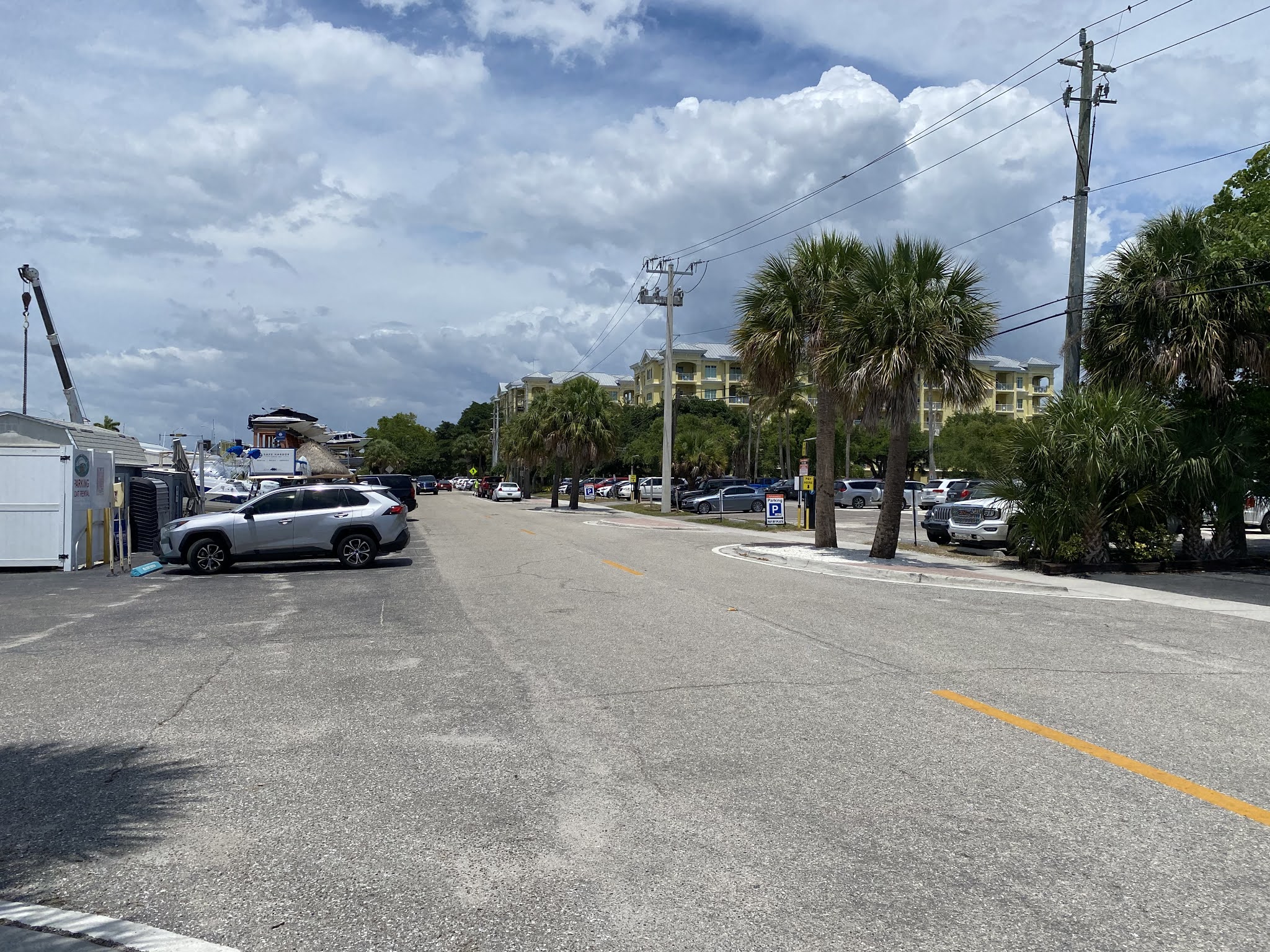
Old Stickney Point Road can be found on Siesta Key.  As indicated on the 1956 Shell Highway Map of Florida this would have once been FL 782 before FL 72 realigned.  


Siesta Key has been previously called "Little Sarasota Key" and "Sarasota Key."  Siesta Key was largely plotted out and subdivided by the Siesta Land Company beginning in 1907.  Access to Siesta Key was connected by ferry until 1917 when the first bridge over Sarasota Bay was built.  This bridge was supplemented by the first Stickney Point Bridge being constructed in 1927.  Siesta Key largely is recognized as one of the more notable Gulf Coast resort communities in Florida. 


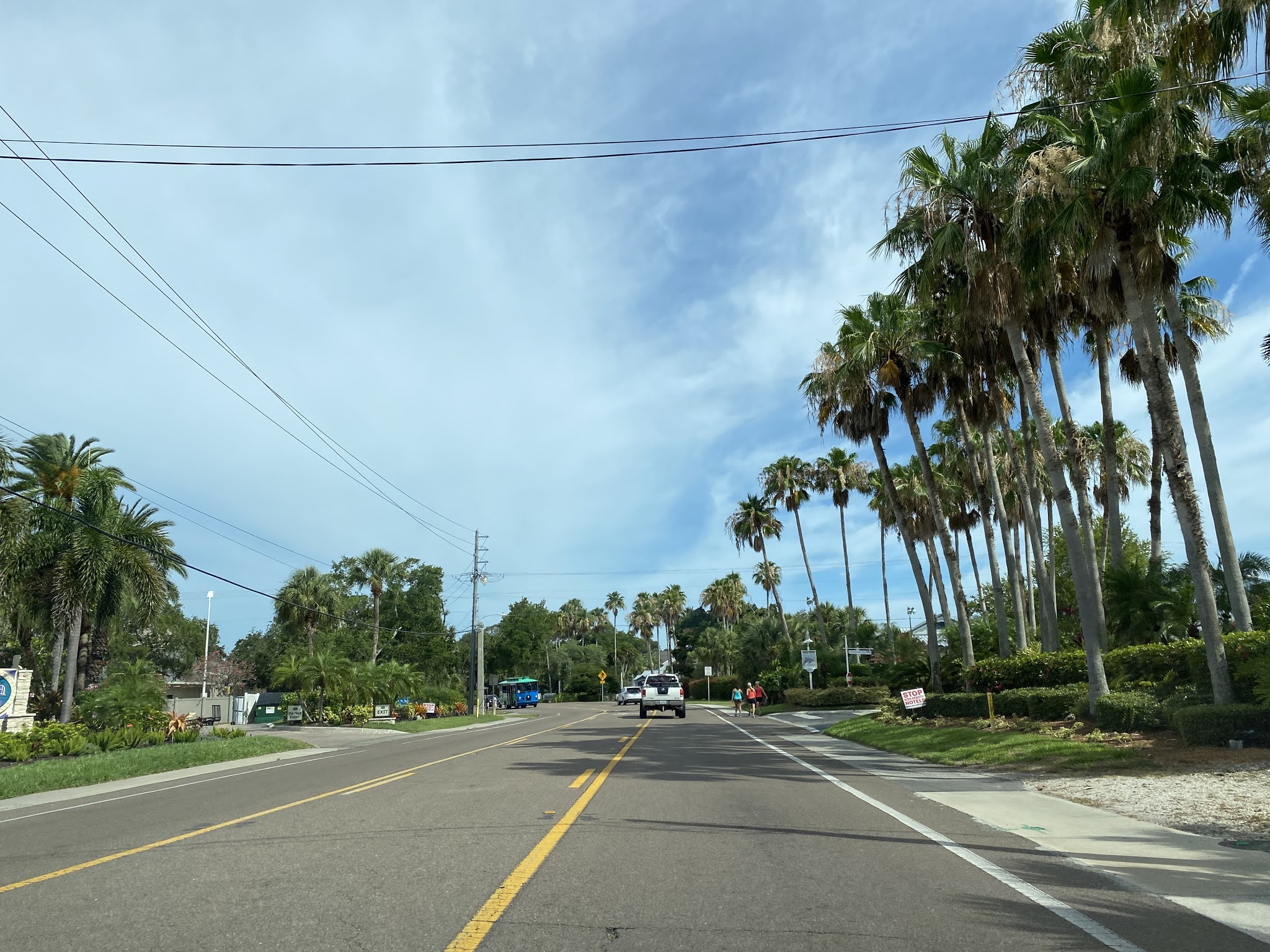
Former FL 758 follows Midnight Pass Road northward towards an intersection with Beach Road.  Beach Road is signed as the Siesta Key business district and was once part of County Route 789A.  The FL 758 signage directs traffic following the former State Road to stay on Midnight Pass Road.  


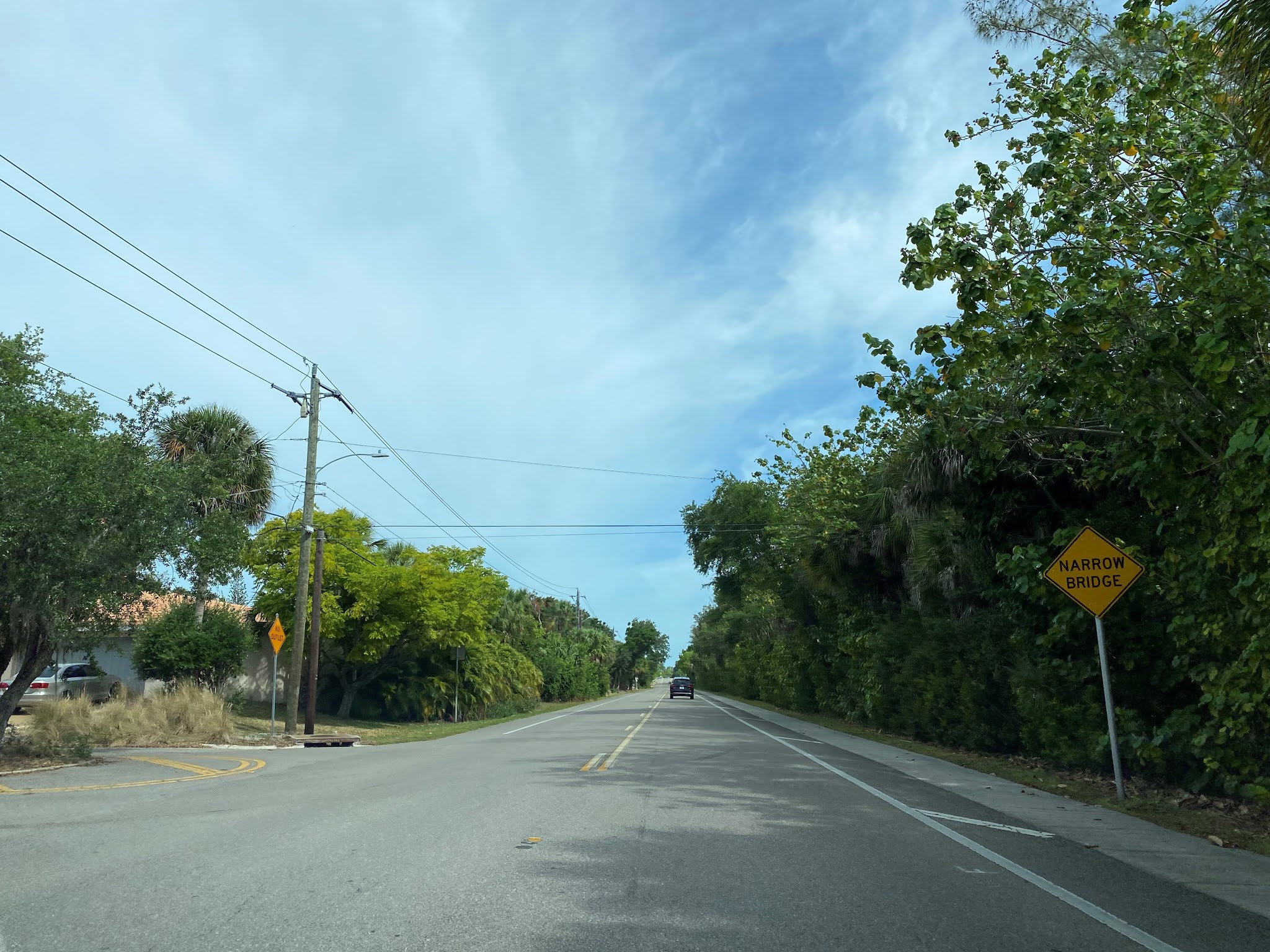
Former FL 758 continues north on Midnight Pass Road and turns right onto High Avenue. 


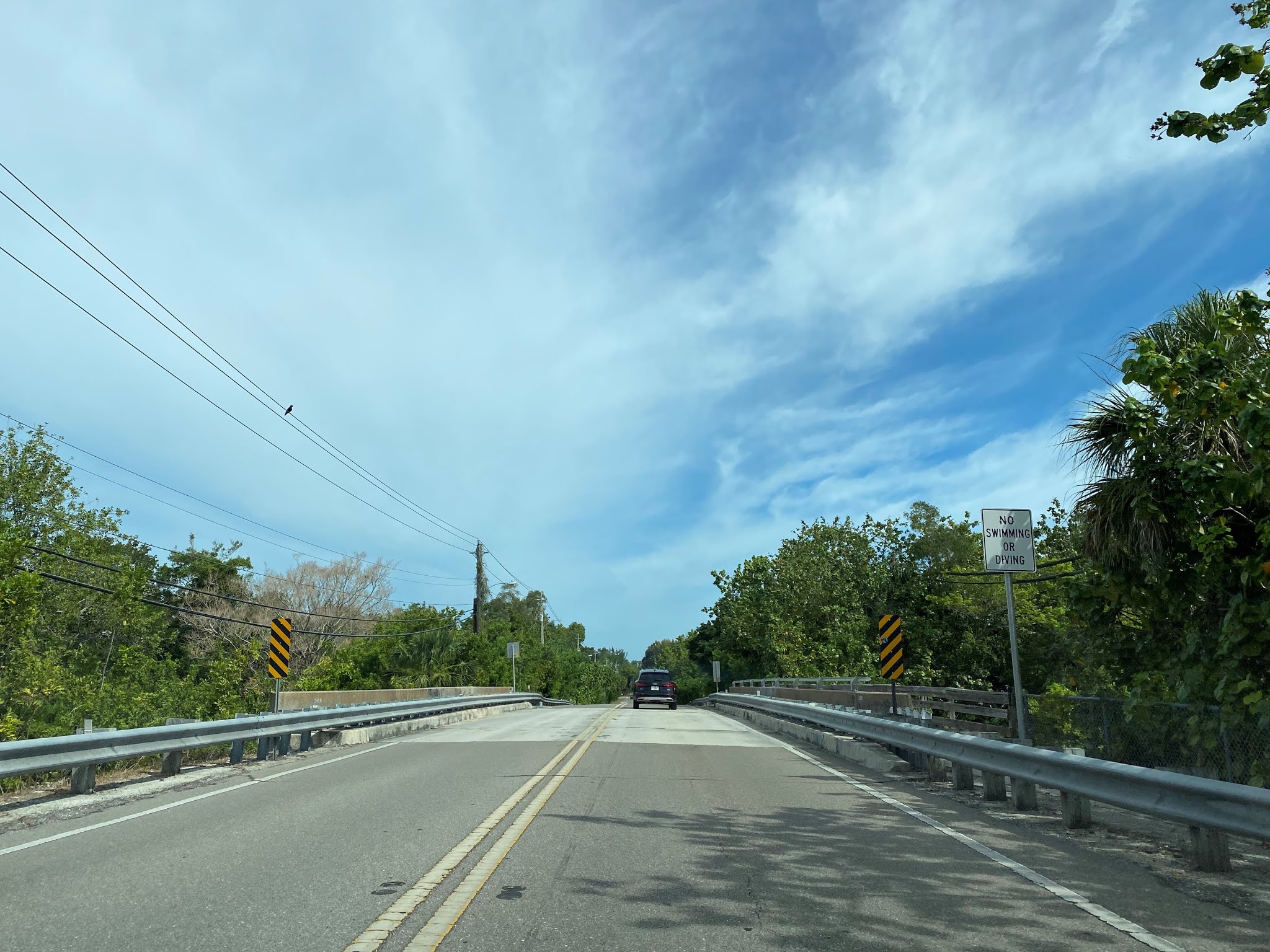
Former FL 758 continues north on High Avenue into the City Limits of Sarasota and swings eastward over the Hanson Bayou Bridge onto Siesta Drive on Bay Island.  The Hanson Bayou Bridge is a concrete tee beam design which opened in 1928.  


Former FL 758 follows Siesta Drive eastbound over the Sarasota Bay Bridge to Osprey Avenue.  The Sarasota Bay Bridge was constructed in 1972 as a replacement for a previous span in the same location which was built during 1926.  The Sarasota Bay Bridge is bascule design which is 1,278.3 feet in length.  Downtown Sarasota and the Ringling Causeway of FL 789 can be seen from the Sarasota Bay Bridge.  


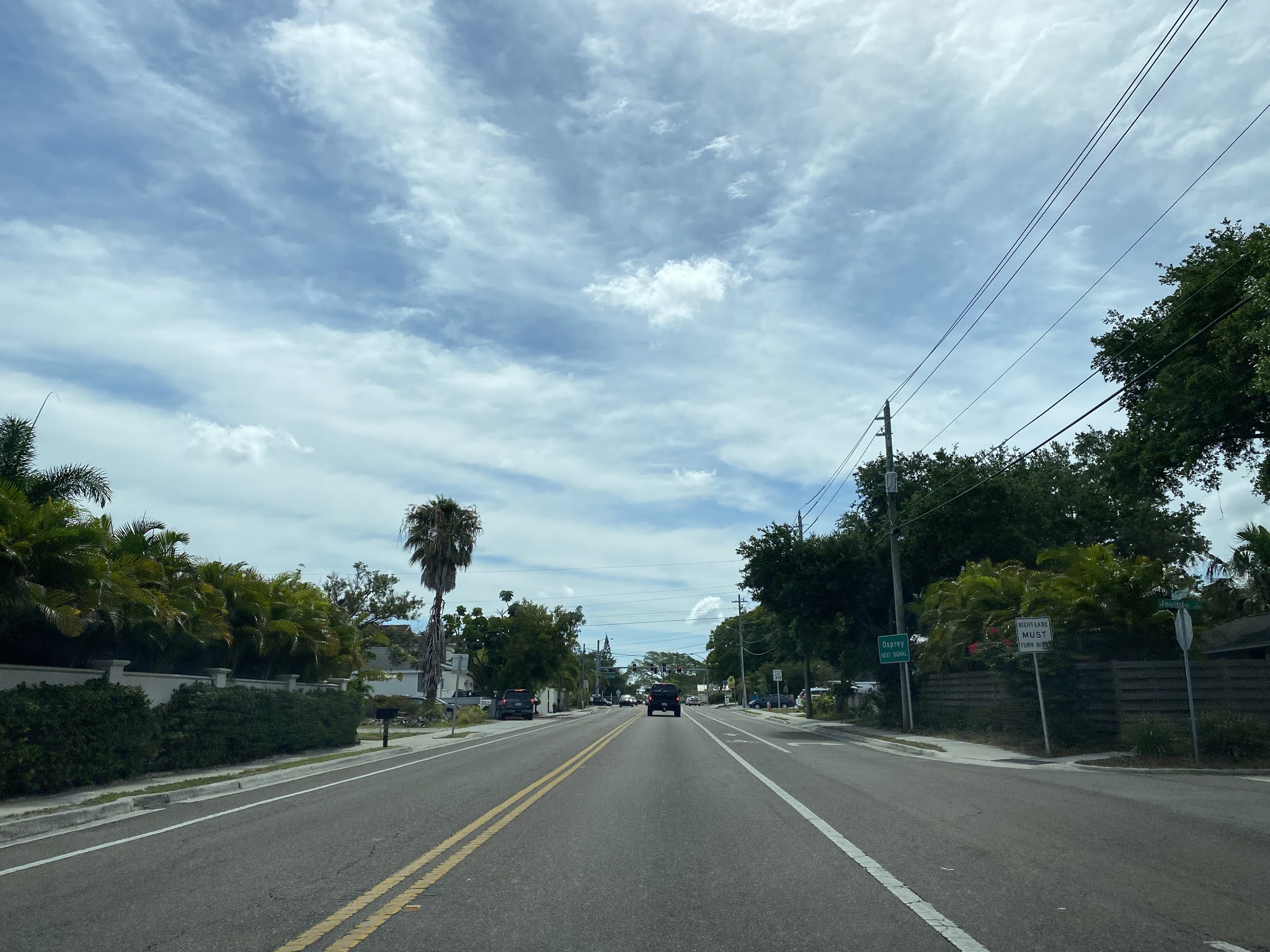
As noted in Part 1 FL 758 followed Osprey Avenue and Bay Road to US Route 41.  


Comments

Popular posts from this blog

Grand Loop Road of Yellowstone National Park

  Grand Loop Road is a 140 mile loop highway which traverses the interior of Yellowstone National Park.  Grand Loop Road connects all of the major attractions and geological features of Yellowstone National Park along with the entrance roads.  Grand Loop Road is a seasonal highway and despite some conjecture never has been part of the US Route System.   Part 1; the history of Grand Loop Road The majority of history pertaining to Grand Loop Road was taken from the below National Park Service article: Historic Roads - Yellowstone National Park (U.S. National Park Service) (nps.gov) Yellowstone was declared the first National Park of the United States on March 1st, 1872.  The first real highway to access Yellowstone National Park came in 1873 when a tolled facility was constructed from Bozeman, Montana via Yankee Jim Canyon to Mammoth Hot Springs.  Numerous attempts were made to fund construction of roadway infrastructure during the early years of Yellows...

The last 1956-63 era California Sign State Route Spade?

Along southbound California State Route 170 (the Hollywood Freeway Extension) approaching the Hollywood Freeway/Ventura Freeway interchange a white California State Route 134 Sign State Route Spade can be observed on guide sign.  These white spades were specifically used during the 1956-63 era and have become increasingly rare.  This blog is intended to serve as a brief history of the Sign State Route Spade.  We also ask you as the reader, is this last 1956-63 era Sign State Route Spade or do you know of others?  Part 1; the history of the California Sign State Route Spade Prior to the Sign State Route System, the US Route System and the Auto Trails were the only highways in California signed with reassurance markers.  The creation of the US Route System by the American Association of State Highway Officials during November 1926 brought a system of standardized reassurance shields to major highways in California.  Early efforts to create a Sign State Route ...
California State Route 70; the Feather River Highway

From 2017 through to early 2019 I drove the majority of the California State Route 70; the Feather River Highway from CA 89 southwest to CA 99. CA 70 is an approximately 178.5 mile state highway which starts at US 395 near the Nevada State Line and travels west through the Feather River Canyon to CA 99.  CA 70 is often referred to as the Feather River Highway" given it's close association with the river.  Historically CA 70 was previously signed as US 40A and CA 24.  The Legislative Routes prior to the 1964 California Highway Renumbering that made up the current route of CA 70 are as follows: -  Legislative Route Number 21 from US 395 westward to Oroville. -  LRN 87 from Oroville south to Marysville. -  LRN 232 from Marysville to the current junction with CA 99.  CA 70 was even dual signed with CA 99 into Sacramento on what was LRN 232 for a time. The change from US 40A/LRN 21/LRN 87/LRN 232 can be seen by comparing the 1963 State Highway Ma...