Travel New England: East Haddam, CT


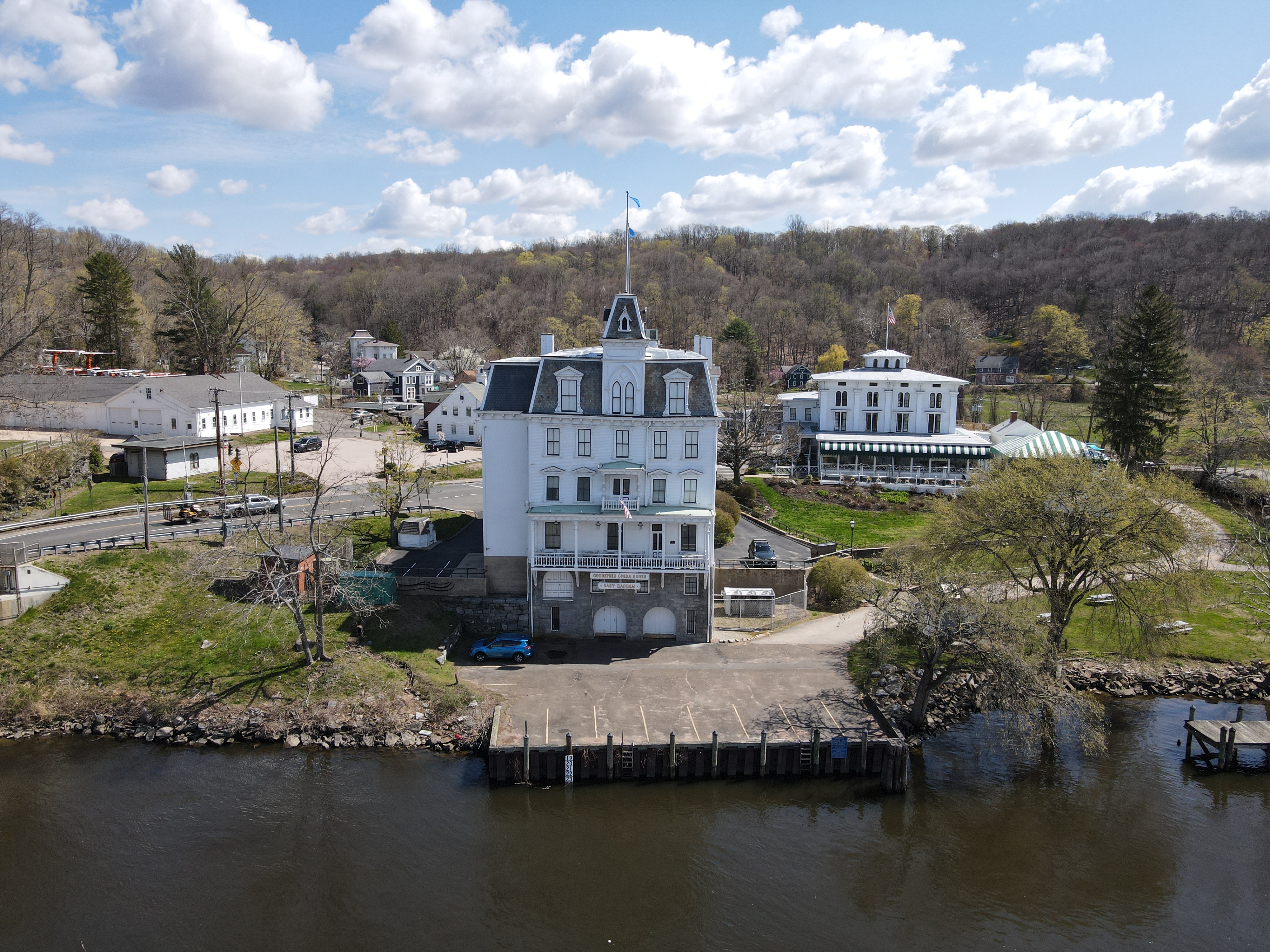
The village of East Haddam, viewed from the Connecticut River and looking northeasterly along Route 82

The lower Connecticut River valley is among the most scenic and quiet areas in all of southern New England. It is hard to imagine that this area is actually right in the center of the busy New York to Boston segment of the sprawling Northeast Corridor. Of all the small towns and tiny villages that dot the landscape of this region, one seems to stand out above all the rest – a town located on the Connecticut River full of important landmarks and scenic attractions of all kinds that are bound to leave a memorable impression on travelers alike.


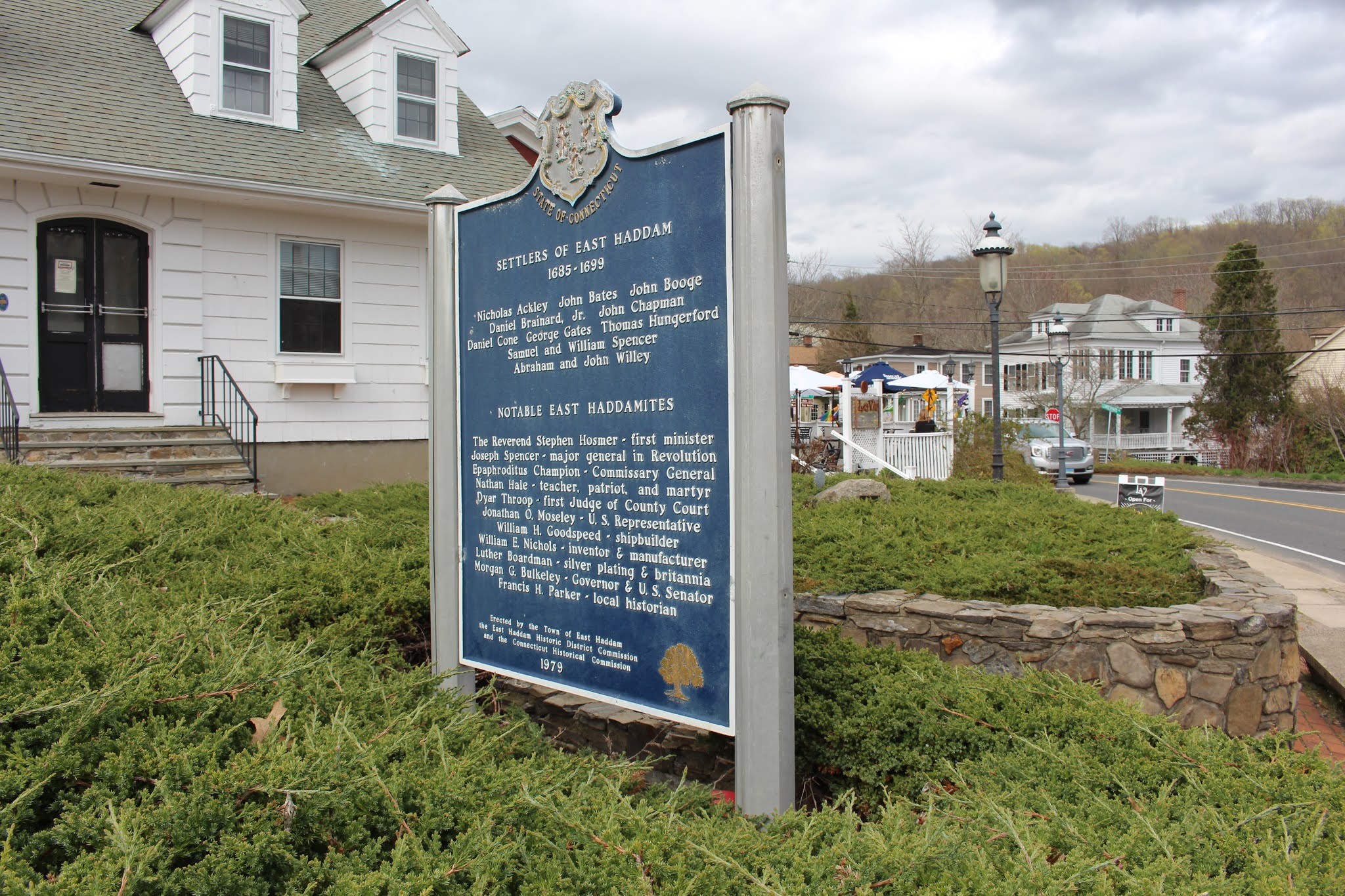
Above: East Haddam's Village Hall and historic markers

The village of East Haddam was incorporated in 1734 and is home to several historic buildings & structures that have been central to the town’s identity since colonial times. The Gelston House is a historic hotel & restaurant establishment dating as far back as 1853. The House offers an upscale lodging & dining experience for travelers of all kinds and operates year-round. A short distance north of the main village is the Nathan Hale School House, a historic one-room schoolhouse site notable for being a location where Connecticut’s official “state hero” briefly taught in 1773. Hale went on to serve as an American soldier and spy for the Continental Army during the American Revolutionary War. He was captured by the British during an intelligence-gathering mission behind enemy lines (while attempting to gather information about British troop movements in the New York City area) and was executed in 1776.

Above: The Gelston House

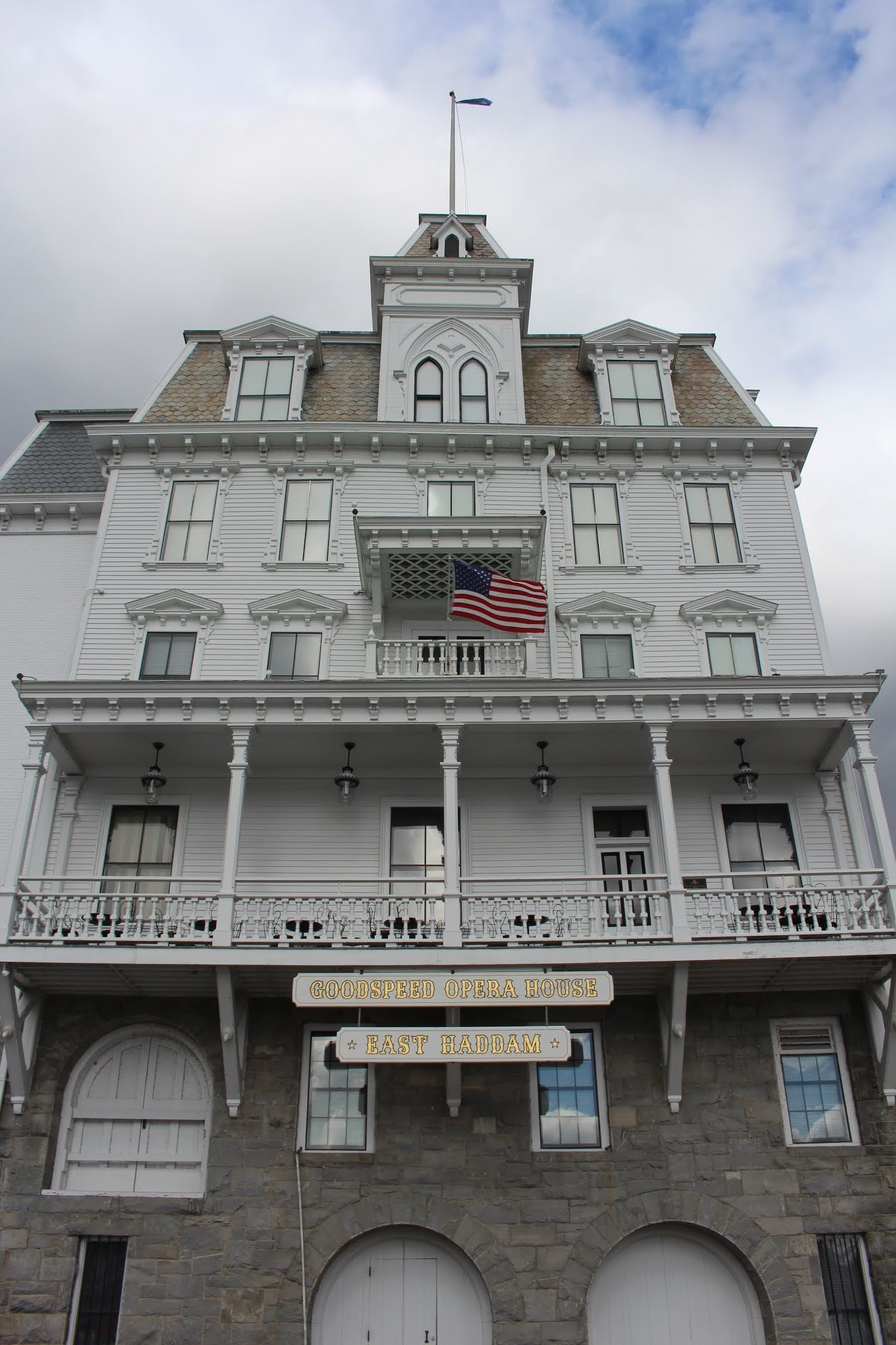
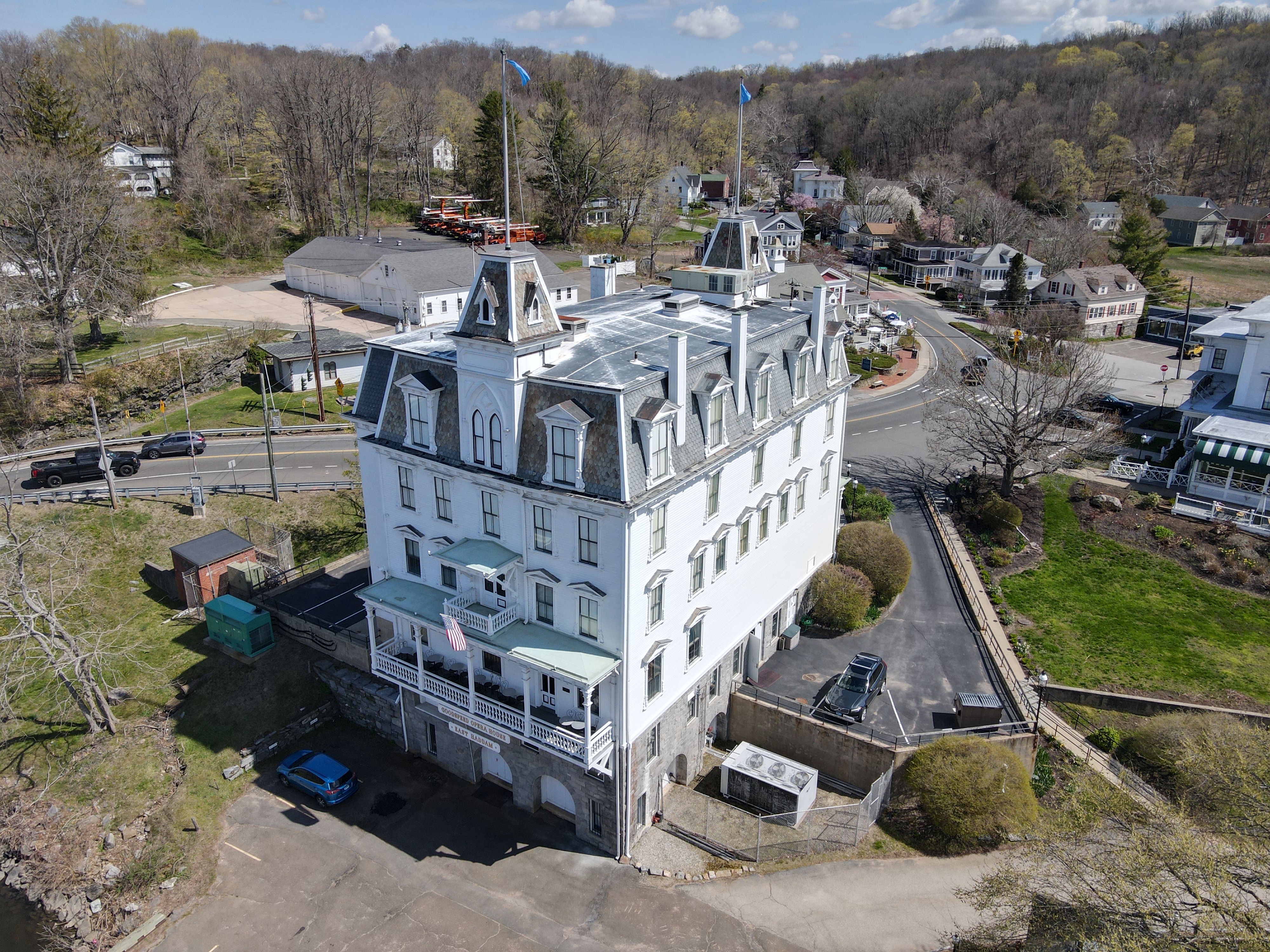
Built in 1877, the Goodspeed Opera House is among the most distinguishable structures in town and is the epicenter for the area’s performing arts activities. The building’s construction was financed by a local merchant and banker named William Goodspeed. Contrary to its name, this building has never actually played host to opera performances but rather has been utilized for smaller-scale play & musical productions. In fact, some of Broadway’s most famous musical productions had their pre-Broadway trial runs at Goodspeed Theater, including Annie, Man of La Mancha, and Shenandoah. The building is clearly visible and distinguishable from the river and is a favorite landmark for tourists on the road or on the water.

Above: The Goodspeed Opera House

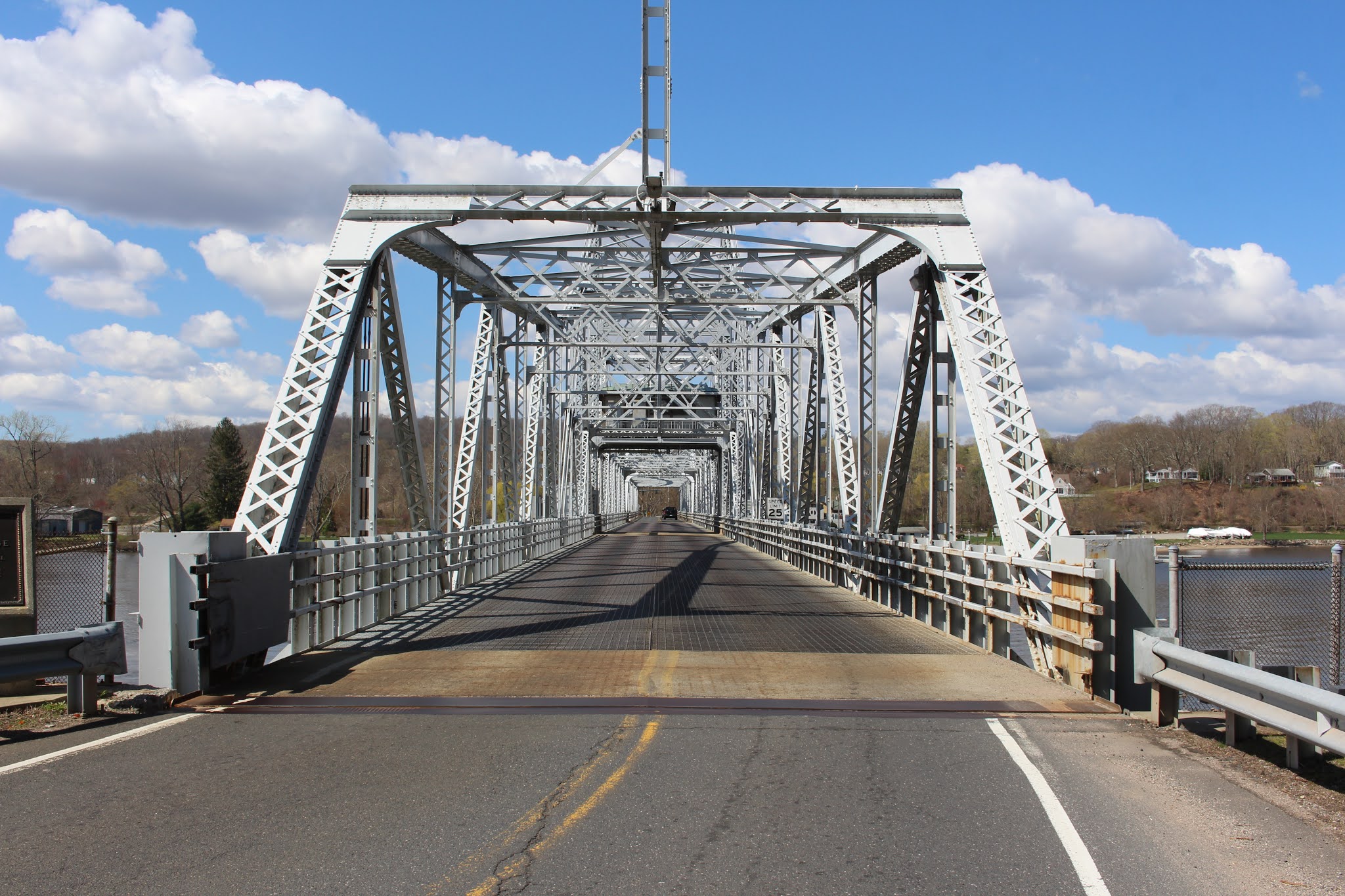
Aside from the Opera House, the most recognizable landmark in the village is the bridge spanning the Connecticut River nearby. The East Haddam Bridge was built in 1913 and is an impressive steel truss swing bridge built in an ornate style that easily blends in with the surrounding natural and man-made landmarks. A link to an additional blog post about this bridge (including other information and photos) will be found at the bottom of this article.

Above: The East Haddam Bridge carries CT Route 82 across the Connecticut River

Located on the west bank of the river immediately across the bridge is the historic Goodspeed Train Station, built as a stop on the old Connecticut Valley Railroad. Nowadays, it’s home to an antique/general store and is the starting point for a unique railbike attraction run by the Valley Railroad Company. Steam train and riverboat excursion tours are offered in this area, some of which originate their journey here in East Haddam at the Goodspeed Station and/or at the nearby Eagle Landing State Park; all can often be spotted along the tracks and the nearby Connecticut River during the warm months of the year.

Above: The Goodspeed Station, plus an excursion train and riverboat sighting in town


How to Get There:


Comments

Popular posts from this blog

Crescent City Connection (New Orleans, LA)

The Crescent City Connection is a massive dual-span steel truss bridge that spans the lower Mississippi River at downtown New Orleans, about 95 river miles upstream from the mouth of the great river at the Head of Passes Light. If counted as a single bi-directional highway bridge, the parallel spans combine to form the single busiest bridge on the Mississippi River and its importance as a linchpin in the region’s transportation network cannot be overstated. While there have been various schemes over the years to construct bridges downriver from Algiers Point, this bridge has been the southernmost bridge on the Mississippi River since its initial construction in the 1950s. The years immediately following the end of World War II were a transformational period in the history of New Orleans. Already one of the great economic and cultural centers of the American Deep South, it was recognized at this time that major changes and improvements to the city’s transportation infrastructure would b...

Old US Route 99 through Tipton, Tulare, and Tagus Ranch

This summer I had a look into the alignment history of US Route 99 through the Tulare County communities of Tipton, Tulare, and Tagus Ranch.  While this slab below might seem like much it is one of the few remaining reminders of how US Route 99 was during the 1920s in Tulare County. This blog is part of the larger Gribblenation US Route 99 Page.  For more information pertaining to the other various segments of US Route 99 and it's three-digit child routes check out the link the below. Gribblenation US Route 99 Page Part 1; the history of US Route 99 in Tipton, Tulare, and Tagus Ranch Tipton and Tulare were both founded in 1872 as sidings of the Southern Pacific Railroad.  The Southern Pacific Railroad laid the groundwork for development of southern San Joaquin Valley.  Previous to the Southern Pacific Railroad travel via wagon or foot in Central California tended to avoid San Joaquin Valley in favor of the Stockton-Los Angeles Road.  The Stockton Los Ange...

Former US Route 101 and California State Route 41 through Paso Robles

Paso Robles is a city located on the Salinas River of San Luis Obispo County, California.  As originally configured the surface alignments of US Route 101 and California State Route 41 converged in downtown Paso Robles.  US Route 101 originally was aligned through Paso Robles via Spring Street.  California State Route 41 entered the City of Paso Robles via Union Road and 13th Street where it intersected US Route 101 at Spring Street.  US Route 101 and California State Route 41 departed Paso Robles southbound via a multiplex which split near Templeton.   Pictured above is the cover of the September/October 1957 California Highways & Public Works which features construction of the Paso Robles Bypass.  Pictured below is the 1935 Division of Highways Map of San Luis Obispo County which depicts US Route 101 and California State Route 41 intersecting in downtown Paso Robles.   Part 1; the history of US Route 101 and California State Route 41 i...